
How Much Does a Handyman Cost? Local Rates
· 6 min read · Hire4Service Team
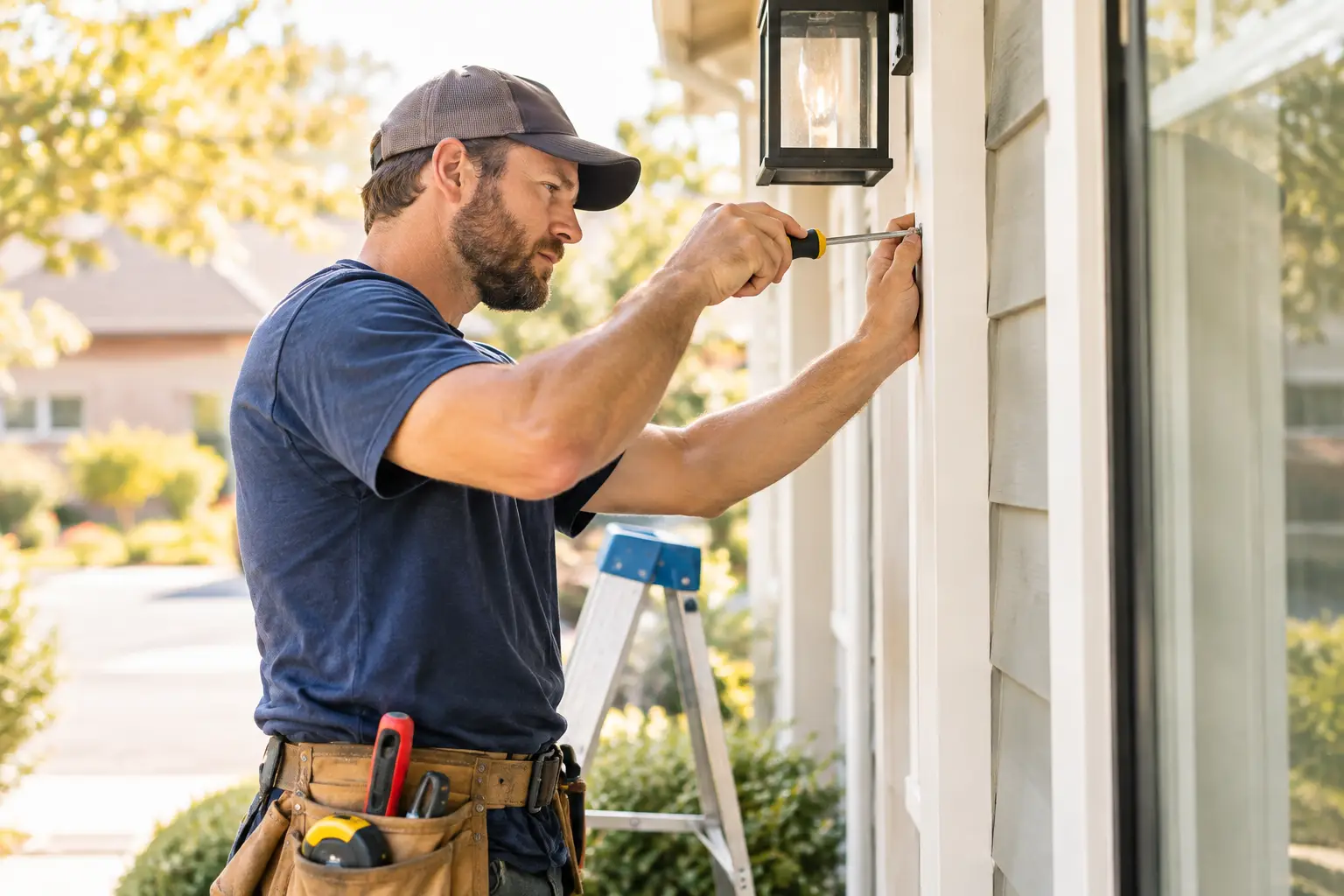
A loose cabinet hinge is rarely just a loose cabinet hinge. It may come with a dripping faucet, a door that sticks, and a weekend you would rather spend doing anything else. If you are asking how much a handyman costs, the short answer is that most small home jobs are priced by the hour, by the project, or with a minimum service charge - and the final number depends heavily on your city and the work involved.
For homeowners and renters, the goal is not simply finding the lowest number. It is finding capable local help, getting a clear scope of work, and avoiding surprises once the job begins.
How Much Does a Handyman Cost?
Across the United States, handyman labor commonly falls in a broad range of about $50 to $125 per hour. In higher-cost cities, for urgent work, or when a provider has specialized experience, rates can run higher. In smaller markets or for straightforward jobs, rates may land closer to the lower end.
Many handymen also set a minimum visit charge. A one-hour minimum, a two-hour minimum, or a flat trip fee is common because traveling to a job, loading tools, and sourcing small materials takes time. That means a five-minute repair may still cost roughly the same as the provider's minimum appointment.
For a defined task, a flat project quote can be easier to understand. For example, assembling a piece of furniture, replacing a few light fixtures, repairing a section of fence, or mounting a television may be quoted as one price rather than an open-ended hourly rate. The range can vary widely by city, wall type, materials, access, and the number of items involved. Ask whether the quoted price includes labor only or includes supplies too.
What Changes the Price of Local Handyman Help?
The job itself is the biggest factor. Small repairs that use ordinary tools and take an hour or two usually cost less than work involving multiple rooms, ladders, heavy lifting, extensive patching, or repeated visits. A handyman may charge more when the task requires careful troubleshooting instead of a predictable repair.
Materials are separate from labor in many quotes. You might supply the replacement hardware, paint, caulk, shelf brackets, or faucet yourself, or you may ask the provider to pick them up. If they buy materials, clarify whether there is a pickup fee, a markup, or a receipt provided with the final total.
Timing also matters. Same-day requests, evening appointments, weekends, and work needed after storm damage can cost more than a flexible weekday booking. If the project is not urgent, asking about the next available daytime opening may give you more choices and a better rate.
Location affects pricing too. Dallas-Fort Worth, for instance, has a large pool of independent home-service providers, but rates can still differ between nearby neighborhoods based on drive time, parking, demand, and job size. The same pattern applies in cities nationwide. A nearby provider may be able to offer a more practical quote because less time is spent getting to your home.
Finally, consider the level of skill the task needs. Handymen are a good fit for many repairs, maintenance jobs, installations, and punch-list projects. Work involving major structural changes or regulated trade work may require a properly qualified specialist under local rules. Be specific about the job when requesting a quote so the provider can tell you whether it fits their services.
Hourly Rate or Flat Rate: Which Is Better?
Neither pricing method is automatically better. It depends on how clearly the work can be defined.
An hourly rate makes sense when the issue needs diagnosis, when you have a running list of small repairs, or when hidden conditions may change the amount of work. A homeowner preparing to move, for example, might have a handyman handle door adjustments, drywall touch-ups, loose trim, and curtain rod removal in one visit. In that situation, hourly billing can be fair and efficient. Ask for an estimated time range and whether time is rounded to the nearest half-hour or full hour.
A flat rate works well for a job with a clear finish line. If you need a specific shelf installed, a ceiling fan replaced, or a fence gate repaired, a project quote lets you know the expected labor cost before work starts. The trade-off is that the description must be accurate. If the wall has unexpected damage or the replacement part does not fit, the price may need to change.
For either method, get the basics in writing through the messages or agreement you use: what will be done, what materials are included, the estimated labor cost, and what happens if additional work is discovered. A clear description protects both sides from mismatched expectations.
How to Get a Useful Handyman Quote
A vague request such as “I need some things fixed” often produces vague pricing. You will get more useful responses when you describe the work as clearly as possible. Include the number of items, the room or exterior area, the symptoms you see, and whether you already have the needed materials.
Photos can help a provider understand cracked drywall, damaged trim, a broken gate latch, or the mounting location for a TV. Measure when dimensions matter. For example, mention the fence section length, the number of cabinet doors, or the height of the wall where an item will be installed. You do not need contractor-level terminology. Clear, everyday details are enough.
Before booking, ask three simple questions: Is this an hourly or flat-rate job? What is the minimum charge? Are materials, pickup time, disposal, or travel included? Those answers often explain why two estimates that look far apart may actually cover different things.
It is also smart to tell the provider about site conditions. Stairs, limited parking, a gated community, pets, old hardware, or a tenant building's scheduling rules can affect how long a job takes. Sharing those details early helps keep the appointment moving.
When a Lower Quote Is Not the Lower Cost
The cheapest quote can be a good deal, but only if it covers the work you need. A low number that excludes materials, has a short minimum but a high follow-up rate, or leaves out cleanup can become more expensive than a straightforward quote from the start.
Compare the scope, not just the headline price. One provider may quote to repair the visible drywall damage; another may include checking for the cause, patching, sanding, and priming. Those are different jobs, even if both are described as “drywall repair.”
Pay attention to communication as well. A provider who asks practical questions about the project is often trying to price it accurately, not make it complicated. Confirm arrival windows, access instructions, and the payment arrangement directly before the appointment.
A Simple Way to Budget for Small Repairs
For one small task, plan for at least the local minimum service charge plus any materials. For several small tasks, grouping them into one visit can make better use of the minimum and reduce repeat travel. Make a short repair list, prioritize the items that affect safety or daily use, and ask whether they can reasonably be completed in the same appointment.
For a larger project, leave room in your budget for unexpected material needs or repairs uncovered after work begins. That does not mean accepting an open-ended bill. It means agreeing in advance that the provider will check with you before taking on work beyond the original scope.
When you are ready to compare nearby options, use a local listing to describe the job, your neighborhood, and your preferred timing. Hire 4 Service helps people find local help within their area, so you can focus on providers who are close enough to make a small repair worth the trip.
A good handyman job starts before anyone picks up a tool: describe the work clearly, ask how the price is built, and choose the local provider whose plan makes sense for your home and your budget.
Looking for help near you, or ready to offer your own services?