How to Sell Used Furniture Locally Without the Hassle
· 7 min read · Hire4Service Team
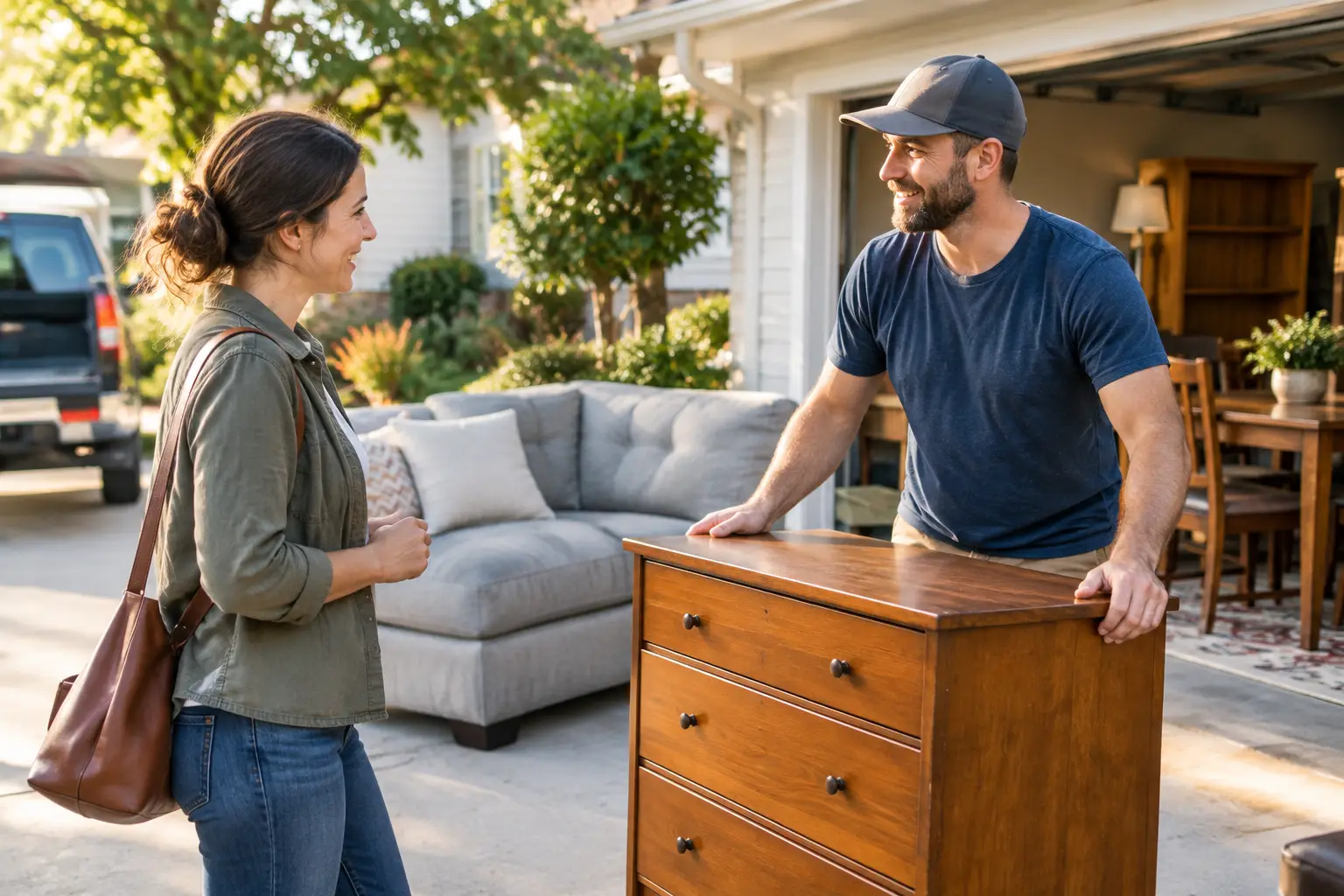
That solid wood dresser taking up half the guest room may be worth more to a nearby buyer than it is to you. The same goes for a clean sofa, a dining set that no longer fits your space, or an office chair left over after a move. Knowing how to sell used furniture locally comes down to making the item easy to evaluate, easy to pick up, and fairly priced for your area.
Local furniture sales work best when you treat your listing like a small storefront display. Buyers cannot sit on the couch or open every drawer through a screen, so your photos and description need to answer their practical questions before they ask them. A little preparation can mean the difference between repeated messages and a quick, smooth pickup.
Start With Furniture Worth Selling
Not every piece needs a listing. Furniture that is sturdy, clean, functional, and reasonably current usually has a local audience. Solid wood pieces, clean upholstered seating, tables, storage furniture, patio sets, bed frames, and home-office items tend to attract interest because buyers can take them home the same day and avoid delivery costs.
Before posting, give the item an honest inspection. Open drawers, check legs and joints, test recliners or moving parts, and look for stains, odors, pet damage, scratches, chips, or missing hardware. Small flaws do not make an item unsellable. They simply need to be shown and described clearly. A buyer who knows about a scratch before arriving is far less likely to walk away over it.
If a repair is quick and inexpensive, such as tightening a loose screw or replacing a drawer pull, it may make the piece more appealing. Skip major repairs unless you know they will add real value. A worn particleboard cabinet often is not worth a weekend of work, while a quality wood table may be.
Clean It Before You Photograph It
A clean item looks better and signals that you took care of it. Dust hard surfaces, wipe away fingerprints, vacuum upholstery and under cushions, and remove personal items from drawers and shelves. Let upholstered furniture air out if it has been in storage. Avoid strong fragrance sprays that can make buyers wonder what odor they are covering.
Take photos during daylight near a window or outdoors in open shade. Photograph the full piece from the front, sides, and back, then add close-ups of details that matter: drawer interiors, table edges, fabric texture, hardware, labels, or any wear. For larger furniture, include one photo that helps buyers understand scale, such as a chair beside a standard doorway.
Do not use old manufacturer photos as the main image. Buyers want to see the exact piece they will pick up. A real photo is more convincing, even if it is not perfect.
Measure Before Someone Has to Ask
Furniture sales often fall apart because a buyer realizes the item will not fit through a doorway, into an elevator, or in the back of a vehicle. Measure the overall width, depth, and height. For tables, include the height and whether legs can be removed. For sofas, note whether sections separate. For dressers and cabinets, list drawer dimensions if storage capacity is a main selling point.
Put measurements directly in the description. This saves time for everyone and attracts buyers who are ready to make a plan.
Price for a Fast Local Sale
The original retail price is useful background, but it is rarely the right resale price. Local buyers compare your item with what they can get new, what similar used pieces cost nearby, and how quickly they need it. Your goal should shape the price.
If you need the furniture gone before a move, price it to create quick interest. If it is a sought-after brand, solid wood, nearly new, or hard to find, you can start higher and allow room for reasonable offers. Condition matters as much as brand. A clean, well-photographed midrange piece can sell faster than a premium item with vague photos and a high price.
Look at comparable local listings, then account for condition, age, style, and pickup effort. Large items usually need a more attractive price because buyers must bring help and transportation. A dining table with removable legs is easier to sell than a one-piece china cabinet that needs four people to move.
State your price plainly. If you will negotiate, write “reasonable offers considered.” If the price is firm, say so politely. A low starting price may bring more messages, but it can also bring buyers who expect an even lower number. Choose the approach that matches how quickly you need the space back.
Write a Listing That Answers the First Questions
A clear title helps nearby shoppers find the item. Lead with what it is, then include the strongest useful detail. “Solid Wood 6-Drawer Dresser, Good Condition” tells a buyer far more than “Must Go” or “Great Deal.”
In the description, use short, factual sentences. Include the brand if known, color, material, approximate age, dimensions, condition, and any relevant features. Mention what is included and what is not. For example, if a desk includes a hutch but not the chair shown in one photo, say that clearly.
Be direct about flaws. “Two small water rings on the top surface, shown in photo six” builds more trust than “like new” followed by a surprise at pickup. If you are unsure whether furniture came from a smoke-free or pet-free home, do not guess. Describe only what you know.
A good local listing also sets expectations about pickup. Let buyers know the general area, whether the item is on the first floor or upstairs, and whether they need to bring moving help. You do not need to post your full address publicly. Share specific pickup details only after you have arranged a time with a serious buyer.
Make Local Reach Work for You
Post where people nearby are already looking for household items, and use location details that are useful without oversharing. Naming your neighborhood, suburb, or nearby part of town can help buyers judge travel time. In a large metro area such as Dallas-Fort Worth, that clarity matters. Someone may be happy to drive across town for a quality sectional, but not for a small side table.
Hire 4 Service gives local sellers a straightforward way to post an ad and reach people browsing within their area. Keep the category accurate and use search terms buyers actually use, such as “coffee table,” “TV stand,” “accent chair,” or “patio dining set.” Calling every item “vintage” or “farmhouse” may attract views, but it can also frustrate shoppers if the description does not match.
Refresh or update your listing if it has been up for several days without serious interest. The first adjustment should usually be better photos or clearer measurements. If those are already strong, reconsider the price. Silence from local buyers is useful feedback, not a reason to argue with the market.
Handle Messages Without Losing the Sale
Fast, simple replies help turn interest into pickup. When someone asks whether the item is available, answer promptly and invite a specific next step: “Yes, it is available. Would you like to pick it up this evening or tomorrow morning?” Buyers often contact several sellers at once, so vague back-and-forth gives them time to move on.
You can hold an item briefly if you choose, but set a clear deadline. “I can hold it until 6 p.m. today” is better than reserving it indefinitely for someone who may not show. If you are selling a popular item, it is reasonable to continue talking with other interested buyers until a pickup time is confirmed.
Keep communication inside the marketplace whenever possible, and be wary of messages that are unusually complicated. A local furniture transaction generally does not need a long story, a third-party courier, or a request for sensitive personal information. Trust your judgment and keep the arrangement simple.
Plan a Safe, Smooth Pickup
Move the furniture near the entry if you can do so safely, and clear a path before the buyer arrives. Confirm that the buyer has the right vehicle and enough help for heavy items. If a couch is on a second floor, say so before pickup day, not after they arrive with a compact car and one friend.
Choose a pickup time when another adult is home if possible. For small items, a porch or garage pickup may be practical. For larger furniture that requires access inside the home, keep valuables and private areas out of view. Count payment before the item leaves, and provide a simple receipt only if both parties want one.
Once the furniture is loaded, mark the listing sold right away. That small step prevents a stream of unnecessary messages and keeps local shoppers from chasing an item that is gone.
When It Does Not Sell Right Away
If a piece has received views but no real interest, diagnose the listing before giving up. Dark photos, missing measurements, a vague title, and an unrealistic price are the usual problems. Update one or two things at a time so you can see what improves the response.
Some furniture is more seasonal than others. Patio furniture may move faster in spring, while desks and storage pieces can draw more attention around moving season, back-to-school time, or the start of a new year. If you have time, waiting for the right buyer can be worthwhile. If space matters more, a modest price drop can turn a slow listing into a same-week sale.
Selling used furniture locally is not about writing the cleverest ad. It is about helping a nearby person see the value, measure the fit, and feel ready to pick it up. Make those three things easy, and that unused piece can become extra room in your home and money in your pocket.
Looking for help near you, or ready to offer your own services?