
How to Find a Reliable Contractor Near You
· 6 min read · Hire4Service Team
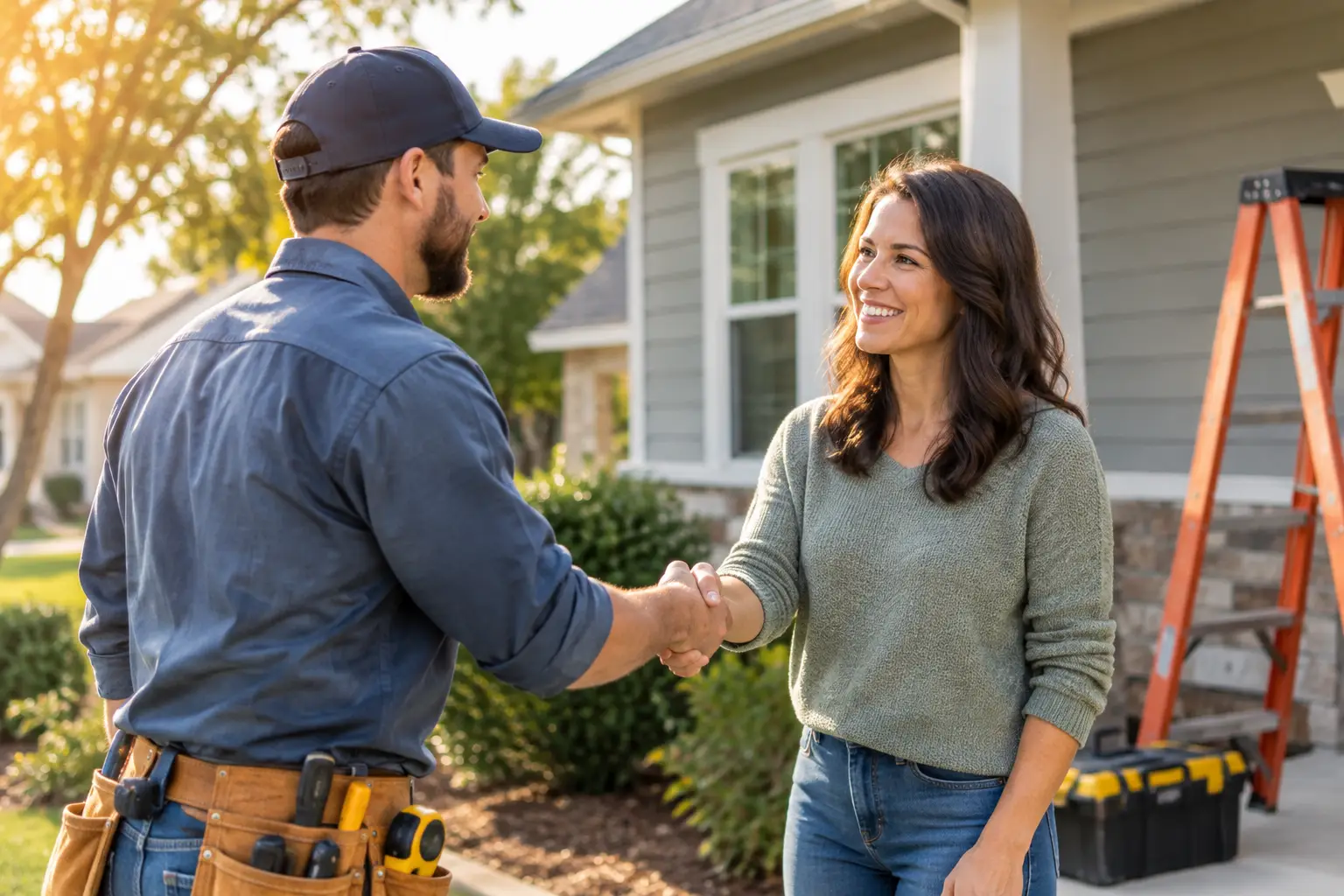
A contractor who answers quickly, promises a low price, and can start tomorrow may sound like a lucky break. Sometimes it is. Other times, it is the beginning of a project that runs late, costs more than expected, or never gets finished. Learning how to find a reliable contractor means looking past the first convenient answer and doing a few simple checks before work starts.
For a small repair, you may only need a skilled local pro with a clear plan. For a remodel, roof replacement, electrical work, or plumbing project, the stakes are higher. The right process depends on the size and risk of the job, but the goal stays the same: hire someone nearby who communicates clearly, has relevant experience, and puts the agreement in writing.
Start With a Clear Job Description
Before you contact anyone, get specific about what you need done. "Fix the bathroom" can mean replacing a faucet, repairing water damage, installing tile, or remodeling the whole room. Those are very different jobs, often requiring different skills, permits, timelines, and budgets.
Write a short description that includes the location of the work, the problem or goal, the materials you already have, and your preferred timing. Add photos when they help explain the issue. If you are posting a request for local help, this gives contractors enough detail to decide whether the job fits their experience.
Clear details also make estimates easier to compare. When every contractor is guessing at a different version of the project, a lower bid may simply leave out work another provider included.
Find Local Contractors With Relevant Experience
Proximity is practical. A contractor who works in your area may be able to visit the property sooner, understand common local building conditions, and return more easily if follow-up work is needed. Search for service providers within your area, then narrow the results based on the exact work you need.
Do not assume every home-service provider handles every kind of project. A painter may be excellent at interior walls but not the right fit for repairing damaged drywall. A general contractor may manage a large renovation well, while a small handyman job could be better handled by a specialist.
On Hire 4 Service, you can browse local help and connect directly with people nearby. Whether you are in Dallas-Fort Worth or another US city, focus on listings that explain the provider's services, service area, and work experience in plain language. A complete listing is not a guarantee of quality, but it gives you a better starting point than a vague ad with no useful details.
Ask each promising contractor whether they have completed jobs similar to yours. If possible, ask for examples of comparable work, not just a general statement that they can handle it. A contractor who regularly installs decks may have useful advice about materials, drainage, and timing that a first-time deck builder may miss.
How to Find a Reliable Contractor: Check the Basics
Reliability is more than showing up on time. It includes being honest about scope, returning calls, explaining what is included, and handling problems without disappearing. Before choosing a contractor, have a direct conversation and ask practical questions.
For projects that require a license, permit, or specialized trade qualification in your area, ask the contractor what is required and how they handle it. Requirements vary by city, county, state, and type of work. Electrical, plumbing, structural, and major renovation work often deserve extra care. You can also check relevant public licensing records where available.
Ask whether the contractor carries appropriate insurance for the work. Do not rely on a quick verbal answer for a larger project. Request current documentation and take time to review it. If something is unclear, ask questions before the job begins, not after an accident or dispute.
References are useful when you ask the right questions. Instead of only asking, "Were you happy?" ask whether the contractor arrived when expected, stayed close to the written estimate, kept the work area orderly, and responded when something changed. A perfect project is not always realistic. A contractor's response to setbacks tells you much more.
Be cautious if someone pressures you to decide immediately, refuses to provide a written estimate, will only communicate by text without answering basic questions, or demands a large payment before materials are ordered or work begins. These signs do not prove bad intent, but they are good reasons to slow down.
Compare Estimates, Not Just the Bottom Line
Get more than one estimate for a meaningful project. Three is often enough to reveal whether one proposal is unusually high, suspiciously low, or missing important parts of the work. The cheapest option is not automatically the best value.
Read each estimate line by line. It should describe the work, labor, materials, cleanup, disposal, permits if applicable, estimated timing, and payment schedule. If a contractor uses allowances for items such as tile, fixtures, or paint, ask what happens if your selections cost more or less than that allowance.
Prices vary widely by city, materials, access to the property, project complexity, and the contractor's availability. A higher estimate may include better materials, more detailed preparation, or work another bidder left out. On the other hand, a higher number does not automatically mean better craftsmanship. Ask each contractor to explain the difference.
If the scope is still uncertain, it may make sense to pay for an inspection or diagnosis before committing to a full repair. That extra step can prevent you from approving a large job based on an incomplete guess.
Put the Agreement in Writing
Even a small job benefits from written expectations. For larger work, a detailed written agreement is essential. It should name the parties, describe the work, list materials and responsibilities, show the total price or pricing method, and explain when payments are due.
The agreement should also address what happens if you request changes after work begins. Change orders are common in remodeling and repair work, especially when hidden damage appears. The problem is not the change itself. The problem is discovering an added cost after the work has already been done.
Set a realistic schedule, but leave room for weather, material delays, inspections, and surprises behind walls or under floors. Ask who will be at your property each day, whether subcontractors will be involved, and who your main point of contact will be. One clear contact person prevents messages from getting lost.
Avoid paying the full amount upfront. A reasonable payment schedule should match real progress, such as materials delivered, a defined phase completed, or final walkthrough approval. Keep copies of the estimate, agreement, receipts, messages, and any approved changes in one folder.
Watch the First Few Days Closely
The early stage of a project usually shows how the rest will go. Is the crew arriving as planned? Are they protecting your home, confirming details, and communicating when questions come up? You do not need to supervise every minute, but you should stay available and check progress at agreed milestones.
Speak up early if the work does not match the plan. A calm question on day one is easier to resolve than frustration after the project is nearly complete. Take dated photos before work begins and at key stages, especially for projects involving repairs behind walls, flooring, or outdoor structures.
At the end, walk through the job before making the final payment. Compare the finished work with the written scope, test what can be tested, and make a short list of any remaining items. A reliable contractor should be willing to discuss reasonable punch-list work and close out the project clearly.
The best contractor is not always the fastest reply or the lowest estimate. It is the person whose experience fits the job, whose paperwork matches their promises, and whose communication makes you feel informed instead of rushed. Give yourself enough time to ask, compare, and verify - then you can move ahead with a local pro who is ready to do the work right.
Looking for help near you, or ready to offer your own services?