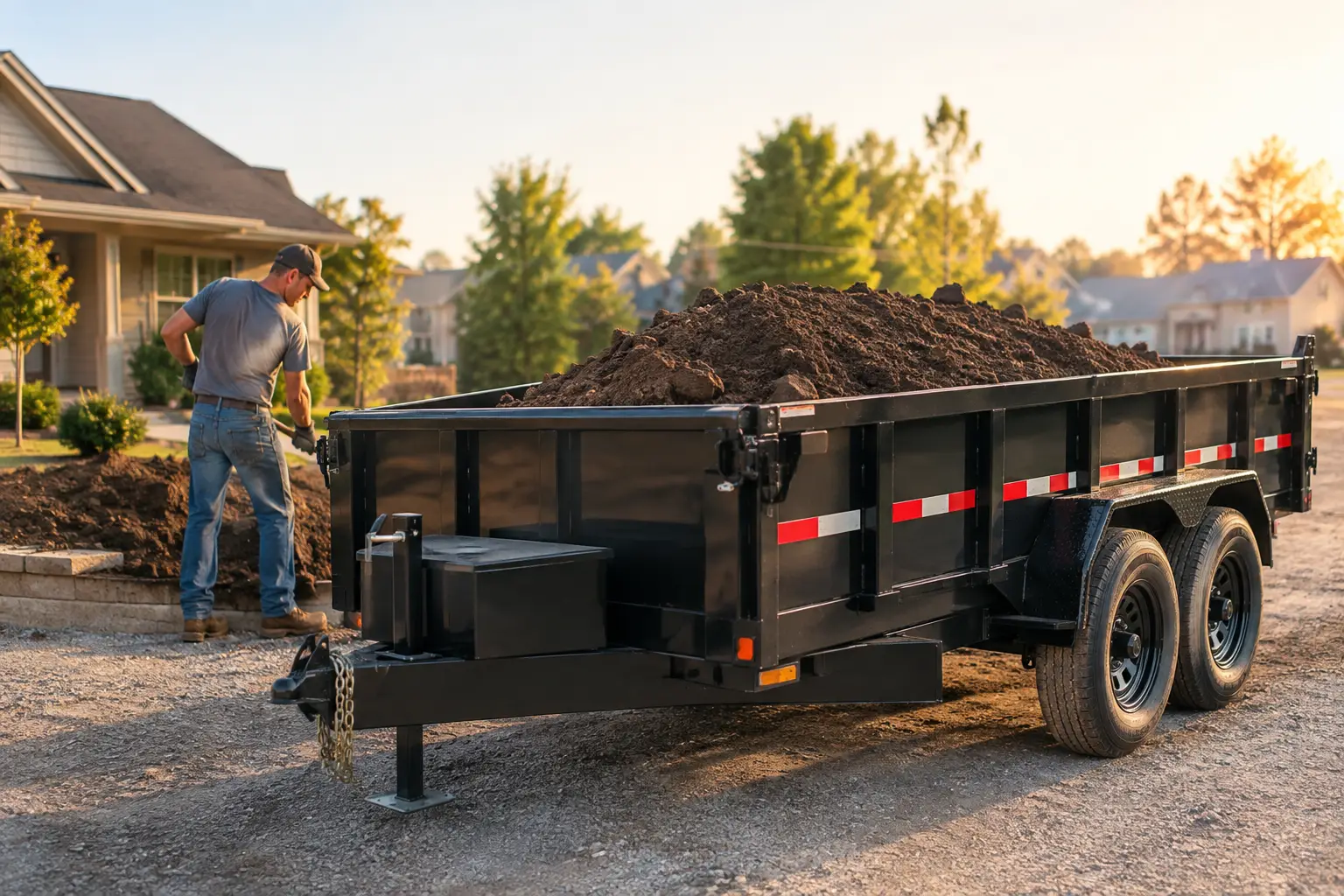
What Does Junk Removal Cost for a Full Load?
· 6 min read · Hire4Service Team

A garage cleanout can look like a one-hour job until you start pulling out old mattresses, broken shelving, paint cans, and boxes that have not moved in years. That is why junk removal cost is usually based on more than how long a crew is at your home. The amount of space your items fill, the effort needed to carry them out, and where they must be taken all shape the final quote.
For homeowners, renters, landlords, and small businesses, the goal is not simply to find the lowest number. It is to get a clear local quote, avoid surprise add-ons, and clear the space without spending your weekend making repeated dump runs.
What Affects Junk Removal Cost?
Most junk removal providers price jobs by volume. In plain terms, they estimate how much of their truck your items will fill. A single chair or a few bags may be a small pickup. A basement, garage, storage unit, or estate cleanout may take a half load, full load, or more than one trip.
Labor matters just as much. A pile of boxes waiting at the curb is easier to remove than a heavy sleeper sofa in a third-floor apartment. Stairs, long carry distances, narrow hallways, elevators, parking limits, and difficult access can raise the quote because the job takes more time and people.
Disposal also changes the equation. General household clutter is often straightforward. Items that need special handling, such as appliances, electronics, tires, construction debris, yard waste, or materials containing chemicals, may come with extra disposal charges. Rules differ by city and county, so a provider in Dallas-Fort Worth may face different facility fees than one in another part of the country.
Finally, timing can affect availability and cost. Same-day or weekend pickups may be convenient when a move-out deadline is close, but scheduling a few days ahead can give you more choices among people nearby.
Typical Junk Removal Cost Ranges
Prices vary by city, disposal requirements, and the size of the load, so treat every online number as a starting point rather than a promise. In many U.S. markets, a small pickup may run roughly $75 to $200, while a larger truck load or room cleanout may fall around $300 to $700 or more. Major cleanouts, multiple loads, heavy debris, or complicated access can cost more.
Those ranges make more sense when you think about the job in levels. One bulky item is usually the lowest tier. A few furniture pieces and bags may be a quarter-load job. A packed garage, rental turnover, or renovation cleanup can quickly become a full-load project with additional labor and disposal needs.
The best quote describes what is included. Ask whether the price covers loading, hauling, disposal, fuel, labor, and basic cleanup of the area once items are removed. If a provider gives a low estimate without seeing the items, confirm what could cause the total to change when they arrive.
Item-Based Pricing Versus Load Pricing
For a single couch, mattress, refrigerator, or washer, an item-based quote can be simple. You tell the provider what needs to go, where it is located, and whether there are stairs. This approach works well when the scope is clear.
Load pricing often works better for mixed piles. If you are clearing a shed filled with old tools, cardboard, bins, patio furniture, and miscellaneous household items, counting every piece is not practical. A provider can estimate the truck space needed from photos or an on-site look.
Neither method is automatically cheaper. Item pricing is easier to compare for one or two large objects, while load pricing can be a better fit when you want a whole area cleared at once.
How To Get a Quote You Can Trust
A good request is specific enough that the provider can picture the job. Take clear photos from a few angles, including anything hidden behind or under larger items. Mention the floor level, stairs, gate access, distance from the driveway, and whether items are already outside.
Be upfront about heavy or unusual materials. A treadmill, cast-iron tub, old refrigerator, large safe, piles of shingles, or wet debris may need more labor than ordinary household junk. If you are unsure whether an item can be accepted, ask before scheduling rather than assuming it can go in the truck.
When comparing local quotes, ask three practical questions: Is this a firm price or an estimate? What is included in the total? What items would create an extra fee? A clear answer helps you compare jobs fairly, even when one provider is not the lowest initial quote.
It also helps to decide what you actually want removed before the crew arrives. Adding a few boxes is usually not a big issue, but adding a second room of furniture can change the load size. Group your keep items separately so nothing is taken by mistake.
Ways To Keep Your Hauling Bill Lower
The easiest way to control the bill is to reduce the amount that truly needs hauling. Sell usable furniture, tools, decor, and appliances locally if you have time. Donate clean, working items when an organization can accept them. Recycling metal, cardboard, and electronics separately may also shrink the paid load, depending on local options.
Do not let saving money create a bigger problem, though. Hauling a few bags in your own vehicle may be sensible. Renting a truck, paying disposal fees, lifting heavy items, and making several trips can stop being a bargain fast. For bulky furniture, large cleanouts, or items you cannot safely move, paying for help may be the more practical choice.
You can also save by organizing before pickup. Break down empty boxes, bag loose debris, clear a path to the items, and move lightweight objects closer to the exit if you can do so safely. This will not erase disposal fees, but it can make the work more efficient and reduce confusion on pickup day.
When a Dumpster May Make More Sense
Junk removal is often the better choice when you want someone else to carry everything out and finish the job in one visit. It is especially useful for apartment move-outs, furniture removal, storage-unit cleanouts, and households that do not want a container sitting in the driveway.
A dumpster can be a better fit for an ongoing project, such as a multi-day renovation or a large yard cleanup where you will keep adding material over time. The trade-off is that you do the loading, need room for the container, and may need to follow local placement rules. Some materials may still be excluded.
For a quick comparison, think about labor first. If your main need is a place to toss debris while you work, a dumpster may be worth considering. If your main need is people to lift, carry, sort, and haul away a finished pile, junk removal is usually the more direct route.
Find Nearby Help Without Guesswork
Local providers can often give a faster, more realistic answer when they know your neighborhood, parking situation, and disposal options. Search for local help, share photos, and explain the scope of the job clearly. On Hire 4 Service, you can browse nearby service listings within your area and contact providers directly about availability and quotes.
Before you book, confirm the appointment window, payment expectations, and what will happen if the load is larger than expected. Keep any quote details in writing, even if the final price is confirmed after an on-site look.
A clear path, honest photos, and one detailed conversation can turn a cluttered room into usable space without an expensive surprise at the curb.
Looking for help near you, or ready to offer your own services?