
Home Maintenance Checklist for Every Season
· 7 min read · Hire4Service Team
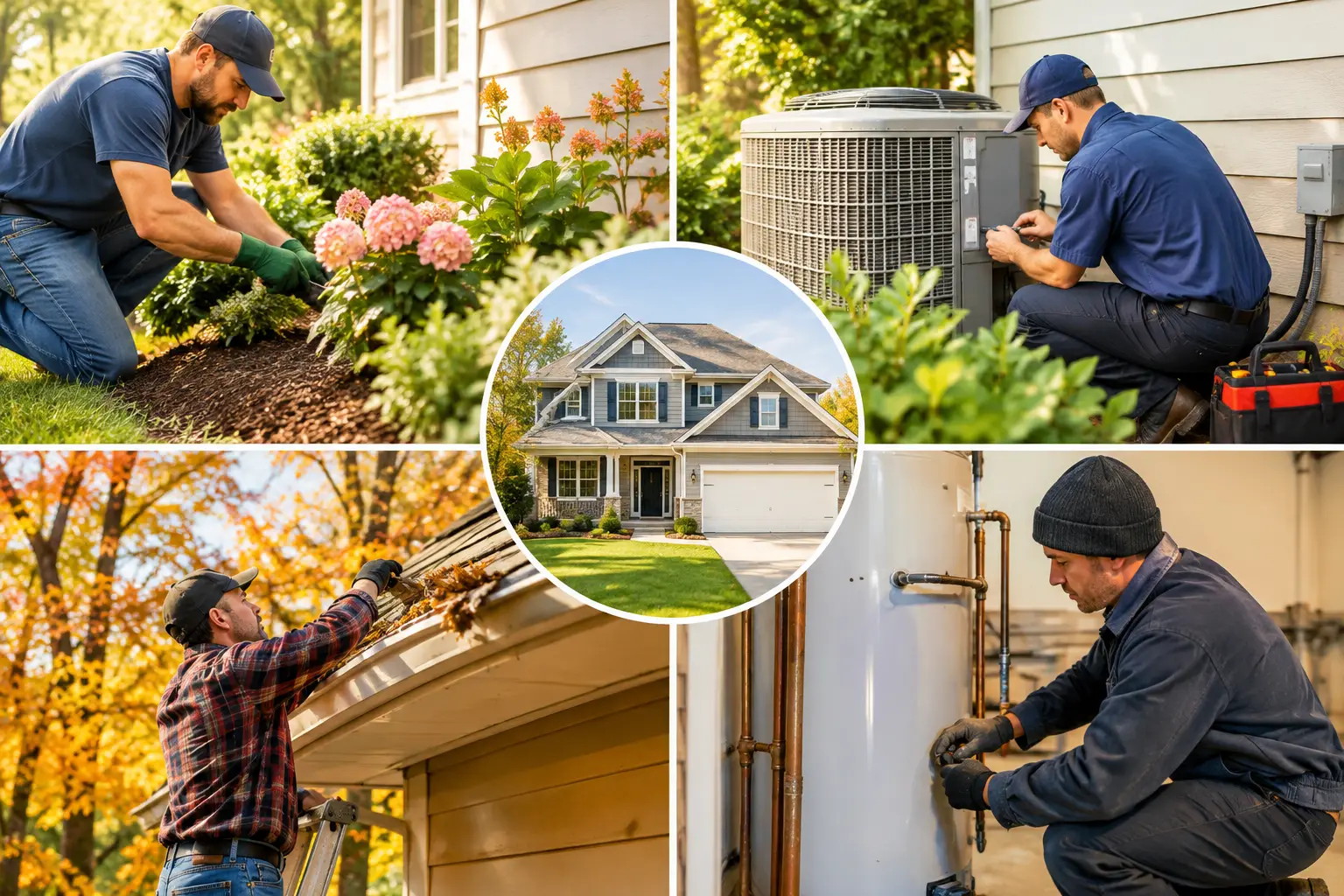
A dripping faucet, a clogged gutter, or an air conditioner that suddenly quits rarely starts as a major emergency. Small signs usually show up first. A practical home maintenance checklist gives you a way to catch those signs while the fix is still manageable - and before a busy week, storm, or holiday visit turns a small issue into a costly one.
You do not need to spend every weekend working on the house. The goal is to keep a simple routine, handle the safe basics, and bring in local help when a job calls for more time, tools, height, or technical skill.
Start With a Home Maintenance Checklist That Fits Your Home
Every property has different needs. A newer townhouse may need little more than filter changes and outdoor checks, while an older home may need closer attention to plumbing, drainage, windows, and weather sealing. Renters can use much of this list too, although property-specific repairs may need to go through a landlord or property manager.
Keep your checklist where you will use it: in a notes app, on a calendar, or on a printed sheet near your utility information. Add the date when you complete a task and write down anything that looks unusual. That record is useful when you are comparing changes over time, speaking with a repair professional, or preparing to sell.
It also helps to separate routine care from repair work. Replacing a return-air filter is routine. Diagnosing a burning smell from an outlet is a repair issue that should not wait. If you are unsure which category a problem belongs in, treat it cautiously.
Monthly Checks That Prevent Surprise Repairs
A short monthly walk-through is one of the easiest habits to keep. Choose the same weekend each month and spend 20 to 30 minutes looking, listening, and testing.
Check under sinks, around toilets, near the water heater, and behind appliances for moisture, corrosion, or a musty smell. A slow leak can damage cabinets and flooring long before water appears in the middle of the room. Look at ceilings too, especially below upstairs bathrooms and near attic access points.
Test smoke alarms and carbon monoxide alarms according to the manufacturer instructions. Replace batteries when needed, and do not ignore units that chirp repeatedly. Check that bathroom and kitchen exhaust fans are pulling air properly. Poor ventilation can contribute to lingering moisture and surface mildew.
Walk outside and look at the home from the curb. Notice loose fence boards, cracked walkways, hanging branches, clogged downspouts, or areas where water pools near the foundation. You are not trying to inspect every inch. You are looking for changes since last month.
Spring Home Maintenance Checklist
Spring is when winter wear becomes visible. Even in warmer areas, rain, wind, temperature swings, and falling debris can expose weak spots around the home.
- Clean gutters and downspouts, then make sure water drains away from the foundation.
- Look over the roof from the ground for missing shingles, loose flashing, or branches resting against it.
- Inspect window and door screens for holes, and check weatherstripping for cracks or gaps.
- Service or test the air conditioning system before the first stretch of hot weather.
- Check outdoor faucets, hose connections, and sprinkler heads for leaks or damage.
- Clear leaves and debris from the outdoor AC unit, leaving open space around it for airflow.
This is also a good time to inspect caulk around windows, doors, tubs, and showers. Small gaps can let in water, pests, or outside air. Caulk is inexpensive, but removing old material and applying a clean new bead takes patience. If the issue involves widespread water damage or repeated leaking, it may be time to find a repair professional instead of simply resealing the surface.
For Dallas-Fort Worth homeowners, spring storms make drainage especially worth watching. The same is true in many parts of the country where heavy rain arrives quickly. If downspouts dump water right beside the house, correcting that path early can prevent a muddy, soggy mess later.
Summer Tasks for Heat, Water, and Outdoor Spaces
Summer puts pressure on cooling systems, outdoor plumbing, decks, fences, and lawns. Your priority is keeping the house comfortable without overlooking the areas that work hardest.
Replace or clean HVAC filters on the schedule recommended for your system and household. Homes with pets, construction dust nearby, or frequent AC use may need more frequent changes. Keep supply vents open and clear of furniture so conditioned air can move through the rooms.
Pay attention to unusual cooling patterns. A room that stays hot, weak airflow, new rattling sounds, or a system that runs constantly may point to a problem beyond a filter change. Waiting through a heat wave can mean fewer appointment options, so address those signs early.
Outside, inspect wood decks, stairs, railings, gates, and fences for loose hardware, splinters, rot, or shifting posts. Check irrigation for overspray onto siding and pooling around landscaping. Watering a lawn is one thing; constantly soaking your foundation area is another.
Summer is also useful for cleaning dryer vents. Lint that gets past the trap can collect in the vent path and reduce dryer performance. If clothes take longer to dry, the exterior vent flap does not open, or you cannot safely access the full run, arrange for qualified help.
Fall Maintenance Before Colder Weather
Fall is the reset season. It is your chance to prepare for cooler nights, holiday traffic, leaves, and changing weather without scrambling at the last minute.
Start with gutters again, particularly if mature trees are nearby. Clean gutters do more than keep a roofline tidy. They help direct water away from fascia boards, siding, and the foundation. While you are outside, trim back branches that rub against the roof or block walkways.
Check doors and windows for drafts. Replacing worn weatherstripping, adding a door sweep, or adjusting a loose latch can make rooms feel more comfortable and reduce strain on your heating system. If windows are fogging between panes or framing shows water staining, a simple seal may not solve the underlying issue.
Have fireplaces, chimneys, and heating equipment inspected or serviced when appropriate for the type of system you own. Keep flammable storage away from furnaces and water heaters. If you use a fireplace, make sure the damper works and that you understand how to operate it safely before the first cold night.
Do not forget exterior lighting. Shorter days make dark entryways, steps, and driveways more noticeable. Replace failed bulbs, clean fixture covers, and make sure house numbers can be seen from the street. It is a small task that helps guests, delivery drivers, and service providers find the right home.
Winter Checks for Safety and Comfort
Winter maintenance depends heavily on your climate. Homes in snowy regions need a different routine than homes in mild southern cities, but water protection and heating safety matter almost everywhere.
In freezing weather, disconnect hoses, protect exposed outdoor faucets, and know where the main water shutoff is located. If a pipe leaks or bursts, turning off the water quickly can limit damage. Keep an eye on indoor humidity and condensation around windows, since constant moisture can damage trim and encourage mold growth.
After strong wind, ice, or storms, do a visual check of the roofline, fences, trees, and exterior vents. Never climb onto a wet or icy roof to investigate. Ground-level photos and a professional inspection are safer when there is visible damage or a suspected leak.
Use winter indoor time to test GFCI outlets in kitchens, bathrooms, garages, and exterior locations if your outlet instructions allow it. Check handrails, loose stair treads, and trip hazards before family gatherings. These are straightforward checks that can make daily life safer.
Know When to Find Local Help
A home maintenance checklist is not a challenge to do every job yourself. Electrical concerns, gas appliances, roof work, major plumbing leaks, structural damage, and work requiring tall ladders deserve extra caution. The right choice may be a local professional with the appropriate experience for that specific task.
When comparing providers, describe the problem clearly, ask what the visit includes, and confirm availability, scope, and any required credentials for the work in your area. Photos, measurements, and the age of an appliance or system can help a provider understand the job before arriving. For small repairs or seasonal upkeep, Hire 4 Service can help you browse nearby local help within your area and connect directly about the work you need done.
The best maintenance routine is the one you will actually repeat. Put one small task on the calendar this week, make a note of what you find, and let those steady checks keep your home from demanding all your attention at once.
Looking for help near you, or ready to offer your own services?