How to Choose a Handyman for Home Repairs
· 6 min read · Hire4Service Team
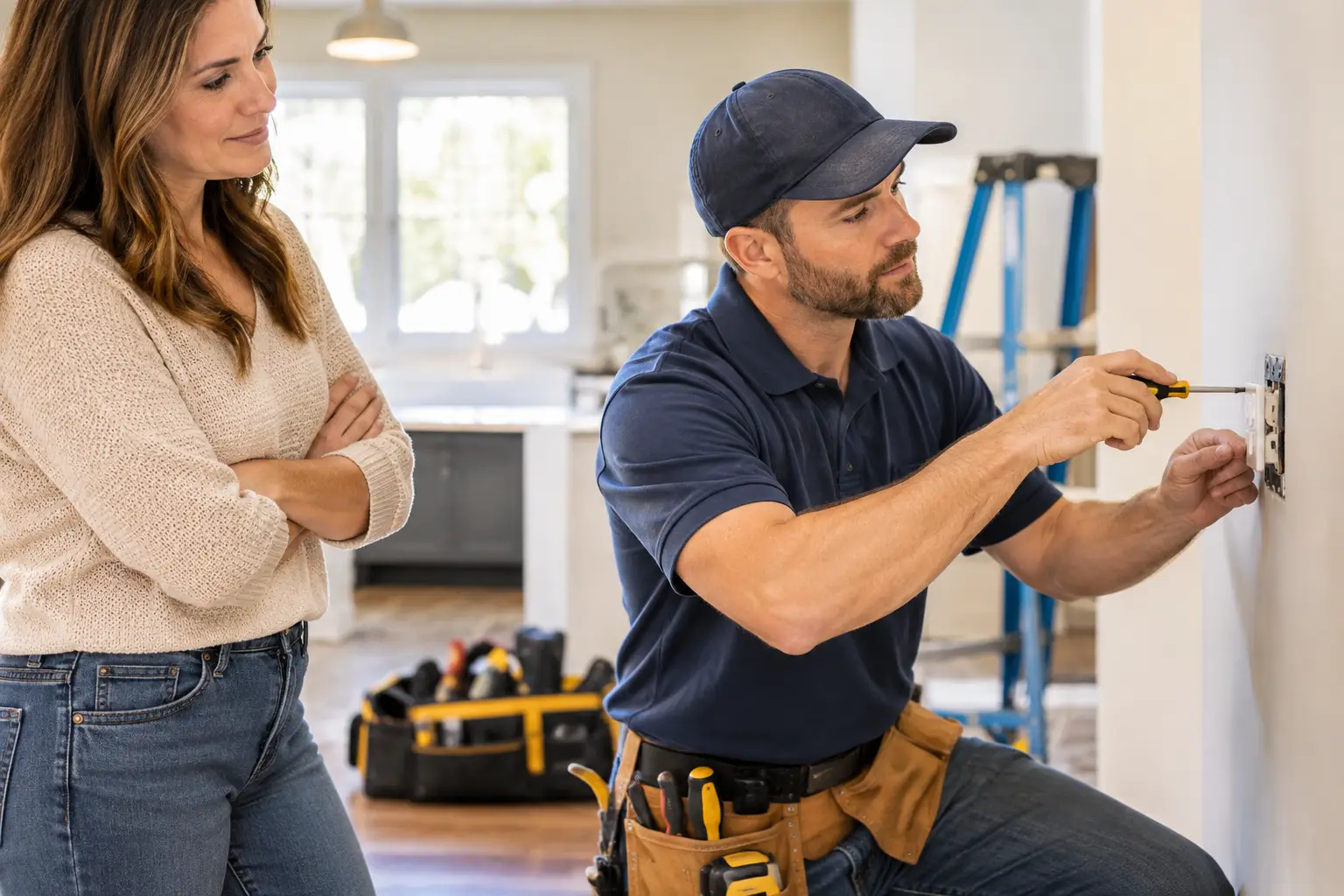
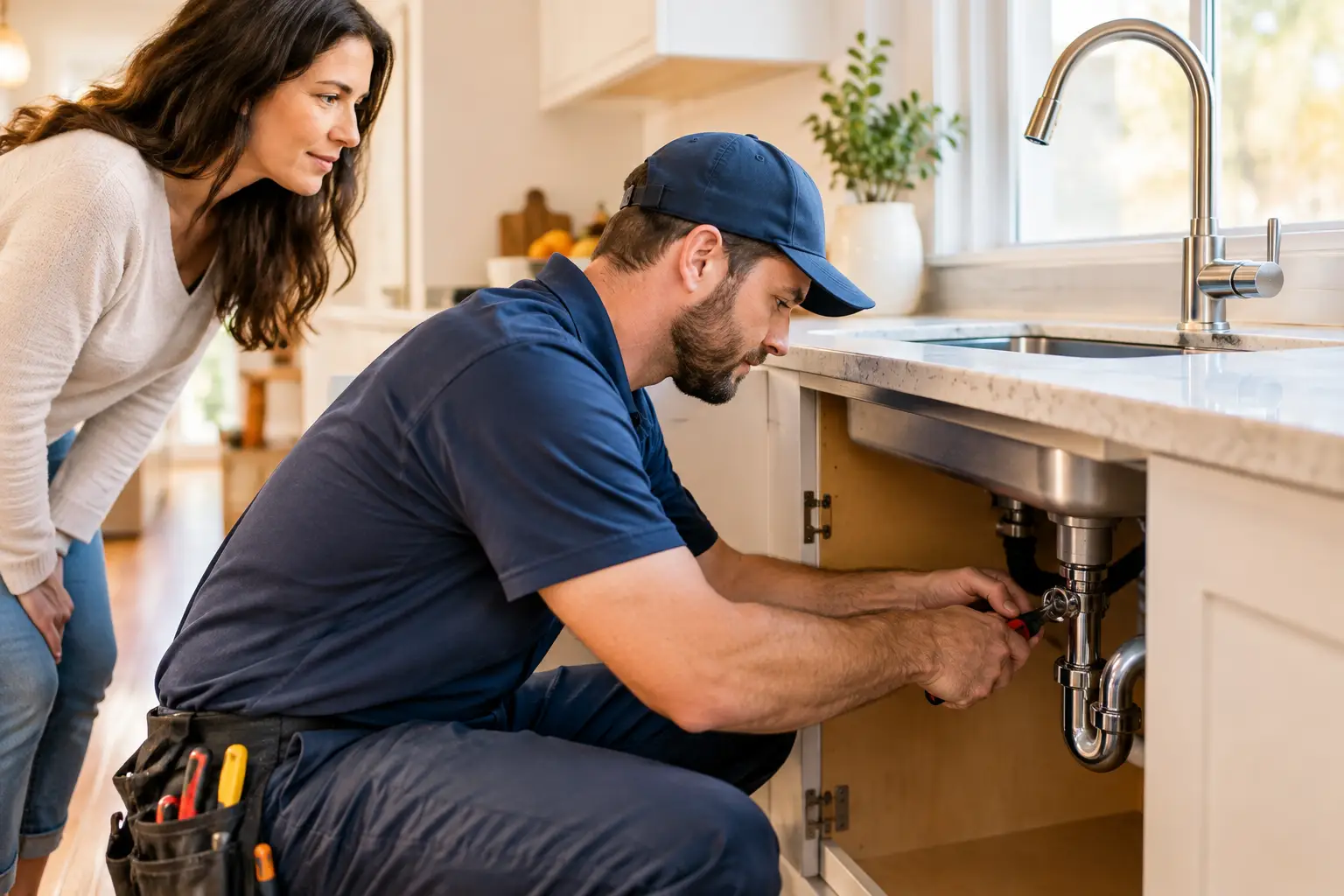
A loose cabinet hinge, a leaking faucet, and a door that will not latch can turn into a weekend of half-finished projects fast. Knowing how to choose a handyman helps you get local help for the jobs that need attention now, without hiring the wrong person for work outside their experience.
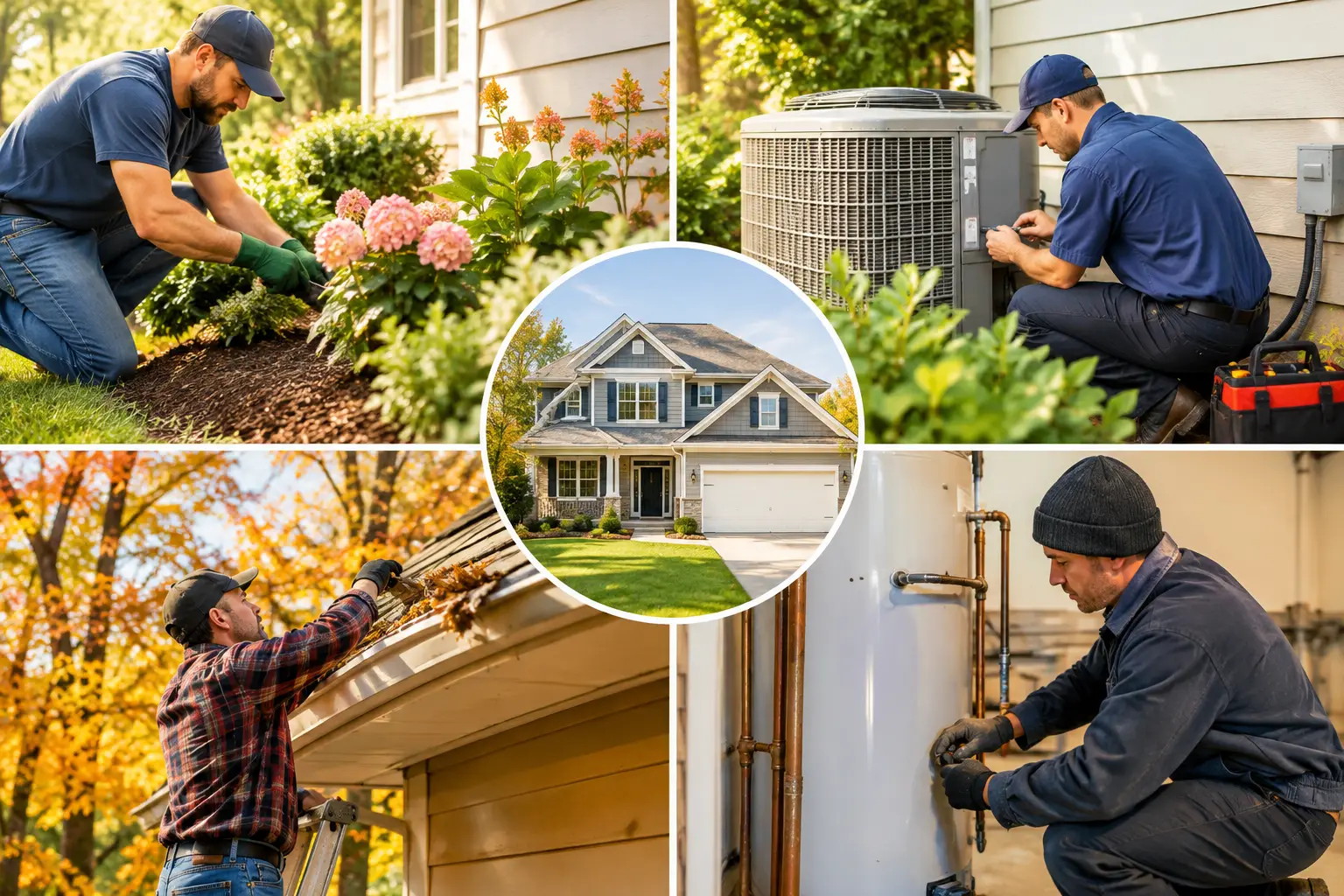
A good handyman can be a practical go-to for repairs, maintenance, installations, and home touch-ups. But “handyman” is a broad label. One person may be excellent at drywall repair and furniture assembly, while another focuses on fences, decks, and exterior maintenance. The best choice starts with matching the person to the actual job.
Start With the Job, Not the Listing
Before you browse local services, write down what needs to be done. Keep it simple but specific: “replace two interior doors and repair a sticking closet door” is much more useful than “need help around the house.” Include the number of items, the room or outdoor area, any visible damage, and whether you already have materials.
Photos can make a big difference when the issue is visual. A handyman can often tell whether a job is within their usual scope after seeing a cracked fence post, damaged trim, or wall patch. Clear details also lead to clearer conversations about timing, materials, and estimates.
It also helps to separate small tasks from projects that may require a specialized trade. Hanging shelves, caulking a tub, replacing hardware, patching drywall, assembling furniture, and minor carpentry are common handyman requests. Electrical panel work, major plumbing changes, structural repairs, roof work, and projects requiring permits may call for a properly licensed specialist. Rules vary by city and by the scope of work, so ask directly if you are unsure.
How to Choose a Handyman With the Right Skills
When you find people nearby, look beyond a general description such as “all home repairs.” Look for examples of the kind of work you need. A provider who regularly shares drywall, trim, and paint projects may be a stronger fit for a room refresh than someone whose work centers on appliance installation.
Experience does not need to mean a huge company or a long sales pitch. What matters is whether the handyman can explain how they would approach your project, what they expect to find, and where the limits of the job may be. Straight answers are usually more useful than broad promises.
Ask a few focused questions before you commit:
- Have you completed projects similar to this one?
- What materials, parts, or tools will the job require?
- Do you supply materials, or should I buy them first?
- How long do you expect the work to take?
- Is there anything about this project that may require a specialist or permit?
These questions are not an interrogation. They give both sides a chance to make sure the work is a fit. If a handyman hesitates to discuss the scope, cannot describe the process, or agrees to anything without asking a single question, keep looking.
Check the Details That Affect the Finished Work
A handyman’s skill is only one part of a successful job. Availability, communication, cleanup, and material planning affect the experience too. For a quick repair, a provider who can arrive soon may be the priority. For a more visible project, such as installing baseboards or repairing a gate, workmanship and attention to detail may matter more than speed.
Ask whether the estimate covers labor only or labor and materials. If you are buying materials yourself, confirm the exact quantities, sizes, finishes, and hardware before you shop. A wrong-sized replacement door or mismatched faucet part can delay a straightforward repair.
For larger projects, request the scope in writing, even if it is just a clear message that lists the work, materials, estimated timeline, and payment expectations. It gives you something simple to review before work begins and reduces confusion later.
Compare Estimates the Smart Way
The lowest estimate is not always the best deal. A very low number may leave out prep work, materials, disposal, travel, or small repairs discovered after the job begins. On the other hand, a higher estimate may include better materials, more thorough preparation, or multiple visits.
Compare what each person says they will do, not just the final number. If one estimate covers patching and painting a wall while another only covers the patch, they are not the same offer. Ask what could change the estimate and how the handyman will communicate if they find an additional issue.
Rates and job costs vary widely by city, project type, material choice, and condition of the home. A quick fix may be priced differently from a half-day of repairs, and a job that looks simple online can become more involved once old damage is uncovered. The goal is not to find a magic price. It is to understand what you are paying for before the work starts.
Know When to Get More Than One Opinion
For a small task with a clear scope, one well-qualified local provider may be enough. If the work involves several rooms, expensive materials, water damage, exterior safety concerns, or an unclear cause, speaking with two or three providers can be worthwhile.
Different opinions can reveal useful information. One person may spot that a recurring crack is only a paint issue, while another may suggest a more involved repair. Do not assume either answer is automatically right. Ask each provider to explain the reason for their recommendation in plain language.
Look for Local Reliability and Clear Communication
Choosing local help is about more than distance, although proximity can make scheduling easier. A nearby handyman may be more familiar with the weather, common home styles, and material options in your area. In Dallas-Fort Worth, for example, exterior wood repairs and fence maintenance often need to account for intense heat and sudden storms. In other cities, snow, humidity, coastal air, or older housing may shape the job differently.
Pay attention to how the provider communicates from the first message. Do they respond to the details you shared? Do they give a realistic arrival window? Are they willing to clarify what is and is not included? Good communication does not guarantee perfect work, but it is a strong sign that the project will be handled professionally.
If you are meeting someone at your home for the first time, use normal common-sense precautions. Share the job details in advance, keep records of your messages and agreement, and be present or have a trusted adult available when appropriate. For work that requires credentials, insurance, permits, or a specific trade license, ask for the relevant information and verify it with the appropriate local authority.
Use a Local Listing to Find a Better Fit
A local marketplace can make the search more direct because you can focus on people offering services within your area instead of sorting through distant results. On Hire 4 Service, homeowners and renters can browse nearby service listings and contact providers about the specific work they need, whether that is a small repair, seasonal maintenance, or a list of tasks that have been waiting too long.
When you reach out, lead with the essentials: the location, the task list, photos if helpful, preferred timing, and whether materials are already on hand. That first message gives a qualified handyman enough information to respond with useful next steps instead of a vague “What do you need?”
Trust the Fit, Not the Flashiest Pitch
The right handyman for your home is often the person who asks sensible questions, understands the job, sets realistic expectations, and communicates clearly. A polished profile or fast promise can be appealing, but a careful conversation is what tells you whether the match makes sense.
Start with one manageable project if you are trying someone new. When the work is complete, you will know more about their reliability, cleanup, communication, and attention to detail. A good local connection can save you time the next time a small home problem starts asking for a big share of your weekend.
Looking for help near you, or ready to offer your own services?