
Dump Trailer Rental Cost: What You’ll Pay
· 6 min read · Hire4Service Team
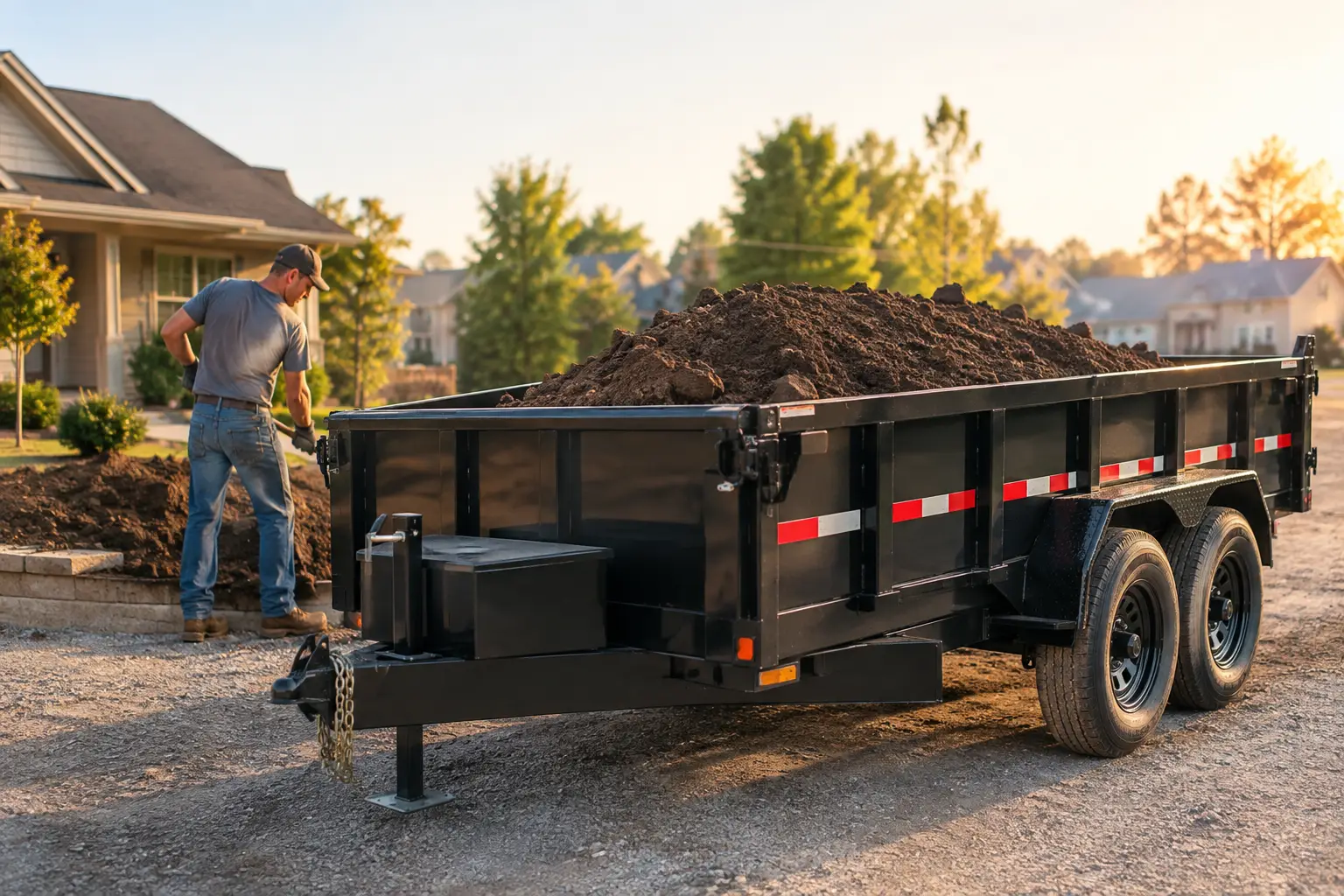
A dump trailer can turn a weekend cleanup into one loading job instead of a long line of pickup-truck trips. But dump trailer rental cost is not always a single, easy number. The advertised daily rate may be only part of the bill, especially when delivery, disposal, mileage, and extra rental time are involved.
For homeowners clearing brush, contractors hauling demo debris, or landlords cleaning out a property, the better question is: what is included, and what will this trailer actually cost for the job at hand? A little planning helps you compare nearby options without getting surprised after the trailer is loaded.
What Is the Average Dump Trailer Rental Cost?
In many U.S. cities, a dump trailer rental may start around $100 to $250 for a day, while larger trailers or multi-day rentals can run several hundred dollars or more. These are broad planning ranges, not fixed prices. Rates vary by city, trailer size, demand, equipment condition, and the type of work the provider is set up to handle.
A small trailer for yard waste may be less expensive than a large, heavy-duty unit meant for construction debris. Weekend demand can also push rates up. In a busy market, the trailer that looks cheapest online may be unavailable when you need it, while a slightly higher-priced local option can save you time and extra hauling.
The rental period matters just as much as the trailer itself. A one-day rate works well when a crew, driveway access, and debris pile are all ready to go. If you still need to tear out flooring, trim trees, or wait for help, a two- or three-day rental may be the smarter value. Paying for an extra day is often better than rushing a job and risking an overloaded or poorly secured load.
What Changes Dump Trailer Rental Cost?
The base rental rate is only one piece of the estimate. Before agreeing to a rental, ask for the full cost based on your address, dates, trailer size, and material type. Four details tend to have the biggest effect.
- Trailer size and payload capacity: Larger trailers can carry more volume, but weight limits still apply. A trailer filled with light branches is very different from one filled with wet dirt, roofing shingles, concrete, or brick.
- Rental length: Daily, weekend, weekly, and monthly rates can be structured differently. Confirm the pickup and return times, not just the number of calendar days.
- Delivery and pickup: Some providers offer delivery, while others expect you to tow the trailer yourself. Distance from the provider, fuel, and access to your property may affect this charge.
- Disposal and dump fees: Some rentals include a certain amount of disposal; others charge separately after the load is weighed. Restricted materials may require different disposal arrangements.
There can also be charges for late returns, cleaning, damage, or excessive mileage. These are not necessarily red flags. They are simply terms worth seeing before you book. A clear written quote makes it easier to compare two local providers fairly.
Towing It Yourself vs. Having It Delivered
Towing your own dump trailer can lower the total cost when you already have the right truck, hitch setup, and confidence to handle the load. It also gives you more control over timing. You can pick up the trailer, load it, dump it, and return it on your own schedule within the rental window.
Delivery can be a better choice when you do not have a suitable tow vehicle or when the project involves a lot of material. It may cost more upfront, but it can keep a cleanup project moving. For example, a Dallas-area homeowner removing storm-damaged branches may prefer delivery if the driveway is clear and the trailer can stay on-site for a couple of days.
Ask where the trailer will be placed and whether the ground is suitable. Soft lawns, steep driveways, narrow gates, overhead branches, and tight alleys can affect whether delivery is practical. A provider who knows the access situation can recommend a trailer size that fits the space.
Match the Trailer to the Material
The biggest cost mistake is renting based on trailer length alone. A 14-foot trailer may look large enough for nearly any project, but dense debris can reach the weight limit long before it fills the box.
Yard waste, household clutter, cardboard, and light lumber usually take up a lot of space without weighing as much as masonry materials. Concrete, soil, gravel, shingles, tile, and wet lumber are another story. They can add weight quickly, which may mean multiple loads, a smaller load, or a different equipment choice.
Tell the provider exactly what you plan to haul. Do not say “construction debris” if you know the pile includes concrete chunks or roofing material. The more specific you are, the more useful the quote will be. You should also ask whether mixed loads are accepted and whether any items are prohibited.
Commonly restricted materials can include paint, chemicals, tires, batteries, propane tanks, certain electronics, and hazardous waste. If these items are mixed into a load, disposal may become more complicated and more expensive. Set them aside before loading day.
How to Get a Useful Quote From a Local Provider
A quick message with the right details gets you a much better answer than asking only, “How much is a dump trailer?” Describe your project in plain language: the type of debris, approximate amount, address or neighborhood, dates needed, and whether you need delivery.
If you are unsure about volume, use a familiar reference point. You might say the debris is roughly one garage bay of old cabinets and flooring, or a pile of branches about the size of two parked cars. Photos can also help a provider judge the right trailer size, though they do not replace an in-person assessment when access is tricky.
When comparing quotes, make sure each one answers the same questions. Is disposal included? What is the weight allowance? Is delivery included both ways? What happens if you need one more day? Is there a minimum rental period? The lowest daily rate is not always the lowest total cost.
Ways to Keep the Rental Within Budget
The easiest savings happen before the trailer arrives. Sort recyclable materials, donation items, scrap metal, and hazardous items from ordinary debris. This can reduce the amount you haul and prevent disposal problems at the end of the job.
Have the work area ready before the rental starts. Break down bulky items, move obstacles, and keep a clear path from the debris pile to the trailer. If friends, family, or a hired crew are helping, set a loading time so the trailer does not sit unused while the clock runs.
Load evenly and keep debris below the sidewalls unless the provider gives different instructions. An uneven load can be difficult to transport, and loose material can create a safety issue. Never assume you can add “just one more” heavy item without checking the weight limit.
For a bigger project, calculate whether one larger trailer is actually cheaper than two smaller rentals or several pickup loads. It depends on local rates, dump fees, labor, and your available time. Sometimes the larger option costs more per day but less per cubic yard of debris removed.
Find Nearby Dump Trailer Help
Local availability matters because delivery distance, schedules, and neighborhood access all affect the real price. Search for people nearby, ask direct questions, and compare the complete rental terms instead of choosing from a headline rate alone.
On Hire 4 Service, you can browse local help and connect with providers in your area when you need equipment, hauling, cleanup, or related project support. Be clear about your debris and timing from the start. The right trailer, booked for the right window, can make the cleanup feel a lot smaller.
Looking for help near you, or ready to offer your own services?